


The Siberian Husky originates from the harsh, freezing regions of Siberia, where it was bred by the Chukchi tribe for pulling sleds across long distances. These dogs were not just workers but also companions, living closely with humans and developing a strong sense of social bonding and teamwork.
Huskies are admired for their wolf-like appearance, piercing blue or multi-colored eyes, and thick double coat. However, beyond their looks, they are highly intelligent, independent, and energetic dogs. Unlike many breeds, Huskies are not naturally obedient—they tend to think for themselves, which makes training both challenging and interesting.
A fact many people don’t know is that Huskies are expert escape artists. They can dig under fences, climb over boundaries, and even unlock simple latches if bored. Another surprising trait is that they are poor guard dogs despite their intimidating appearance, they are usually friendly and welcoming, even to strangers. Huskies also have a unique metabolism, allowing them to function on less food while maintaining high energy levels—an adaptation from surviving in extreme climates. They are also known for their vocal nature; instead of barking, they often “talk” or howl, which is their way of communicating.
In Indian conditions, Huskies face challenges due to heat. Their thick coat, designed to protect them from cold, makes them highly sensitive to high temperatures, requiring air-conditioned environments, proper hydration, and restricted outdoor activity during the day.
They are extremely social and dislike being alone for long periods, often developing separation anxiety or destructive behavior if not mentally stimulated.
A Husky is not just a pet—it is a commitment to high energy, constant engagement, and responsible care. When understood and cared for properly, they become incredibly loving, playful, and loyal companions.
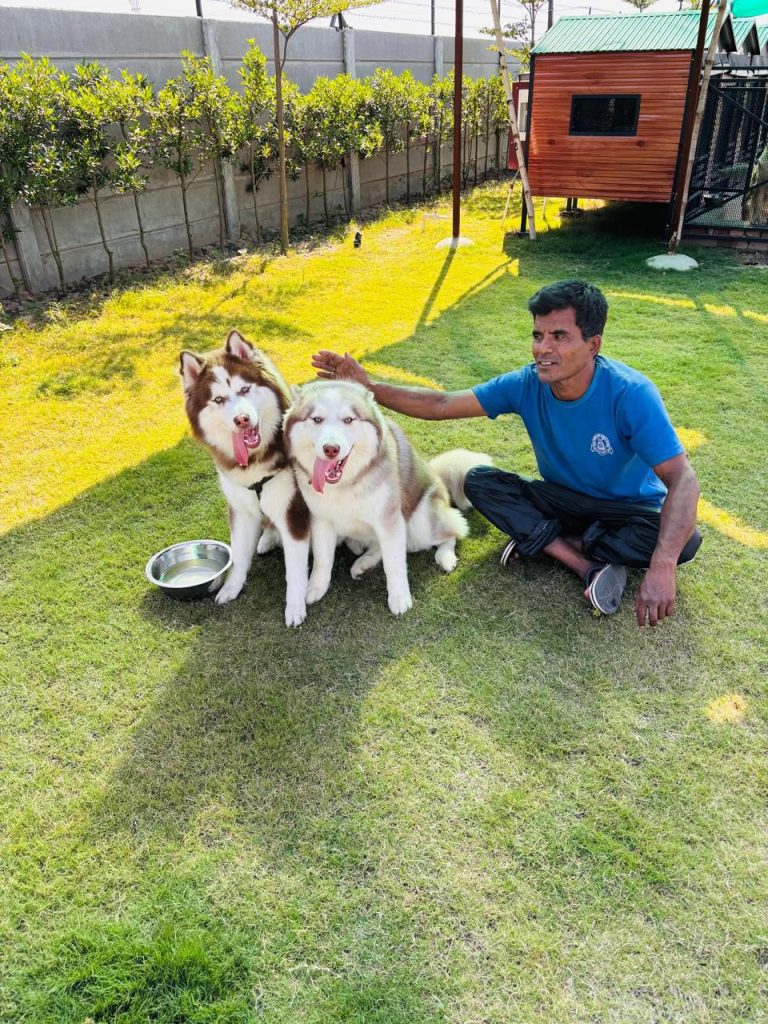
Pukhraj Dhatt
Founder, The Dogfather-A Pet Hostel