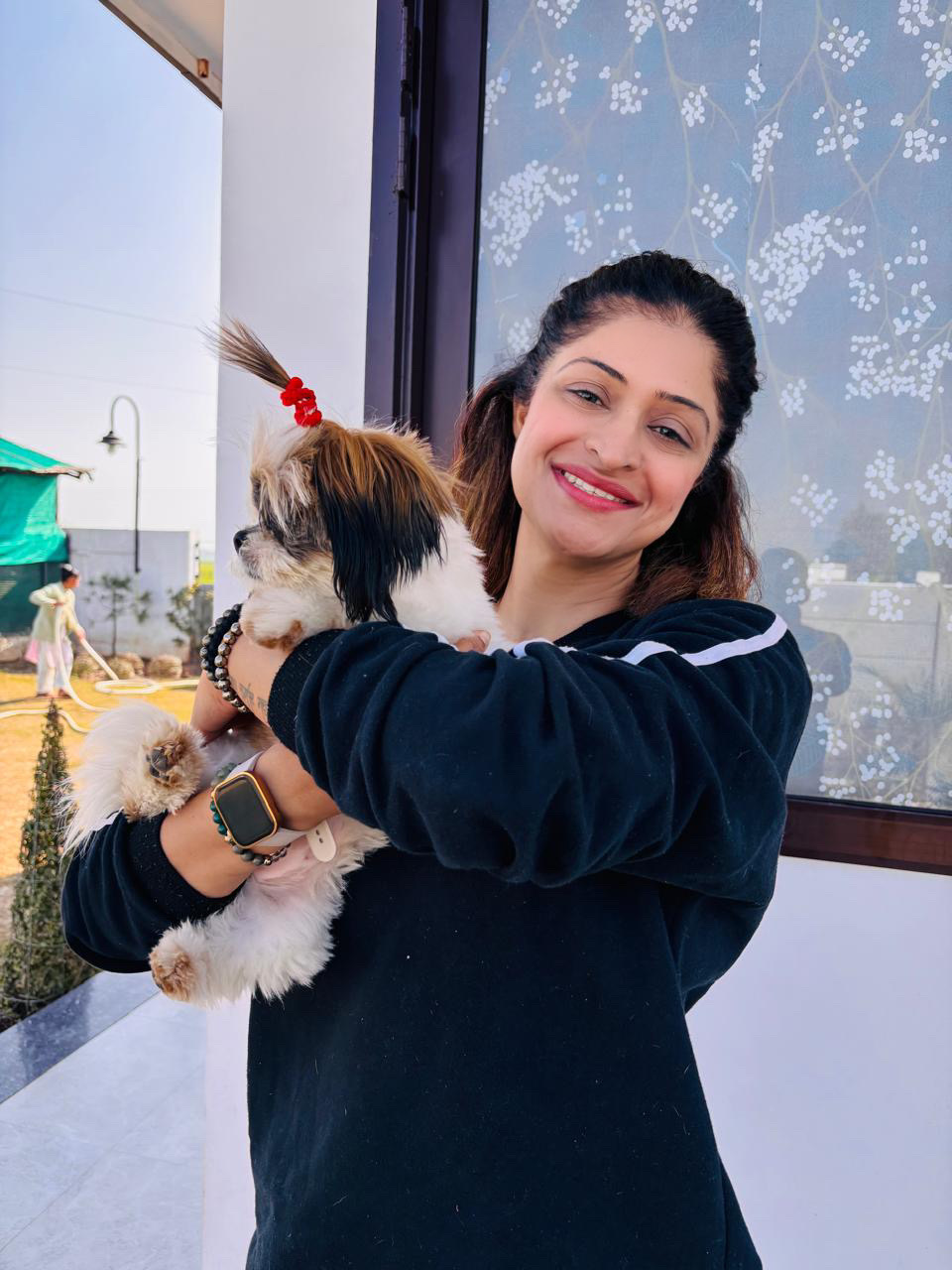

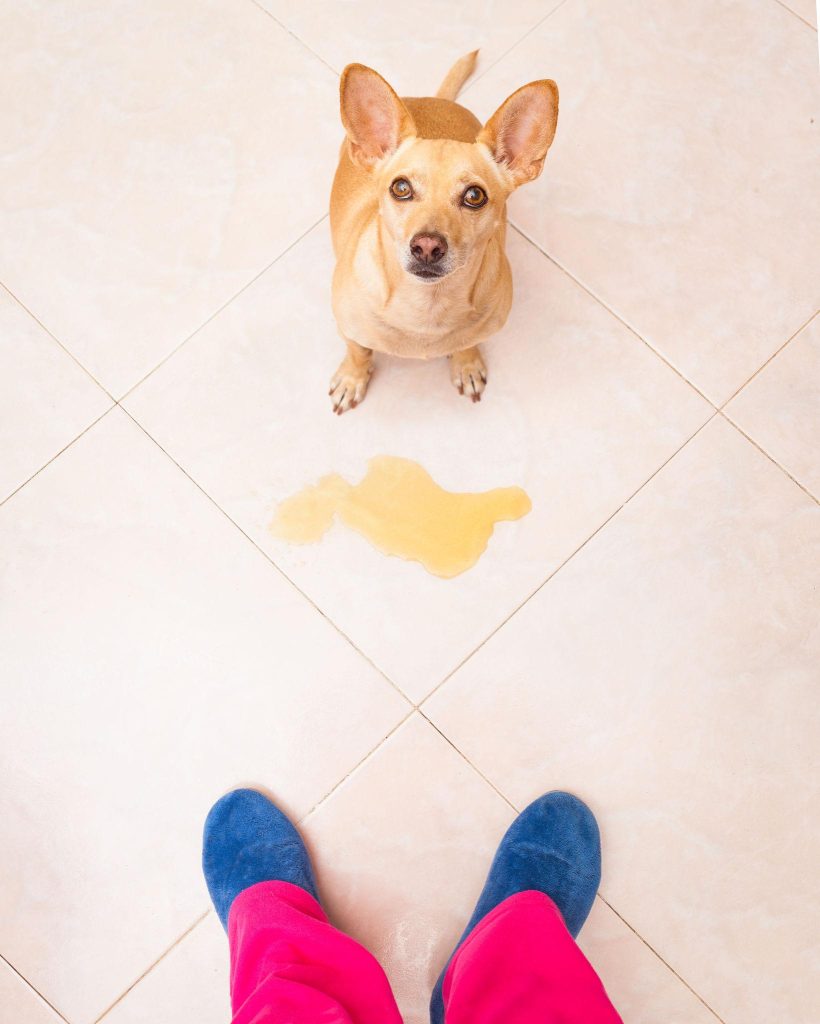
One of the most common concerns pet parents share is: “My dog is not getting toilet-trained, still pees inside the house. Why?”
At The Dogfather – A Pet Hostel, we always tell parents one thing first – your dog is not doing this to irritate you. Dogs don’t pee indoors out of revenge. There is always a reason — medical, emotional, behavioral, or routine-related.
1. Medical Reasons
Before calling it a behavior issue, rule out health problems. Indoor peeing may happen due to urinary tract infection, bladder stones, kidney issues, diabetes, hormonal problems, old age, or pain while holding urine. If your dog is peeing frequently, straining, licking the pee area, passing blood, or suddenly started this habit, please consult a vet.
2. Not Proper Toilet Training
Sometimes dogs are not fully trained — they are only trained when the parent is watching. They need a clear routine. Fixed pee timings, same pee spot, reward after peeing outside, and no punishment for accidents. The more consistent you are, the faster they learn.
3. Marking Territory
Male dogs especially may pee small amounts inside to mark their space. This can happen due to new dog smell, new furniture, visitors, female dog nearby, or insecurity. Neutering, proper cleaning, and behavior training can help.
4. Anxiety or Stress
Dogs may pee indoors when they feel nervous, scared, or emotionally unsettled. Common triggers are separation anxiety, loud noises, change of home, new pet, new baby, travel, or being left alone too long. In this case, scolding makes it worse. The dog needs confidence-building, routine, and calm handling.
5. Excitement or Submissive Peeing
Some dogs pee when they get too excited or scared — especially puppies and sensitive dogs. This is not bad behavior. It is an emotional reaction. Greet them calmly, avoid sudden excitement, and don’t bend over them aggressively.
6. Poor Cleaning of Old Pee Spots
Dogs smell urine even when humans can’t. If the same area is not cleaned properly, they may return to that spot again and again. Use enzymatic cleaners instead of normal phenyl or floor cleaner.
7. Too Long Gap Between Walks
If a dog is expected to hold urine for many hours, accidents will happen. Adult dogs usually need pee breaks 3–5 times a day. Puppies and senior dogs need more frequent breaks.
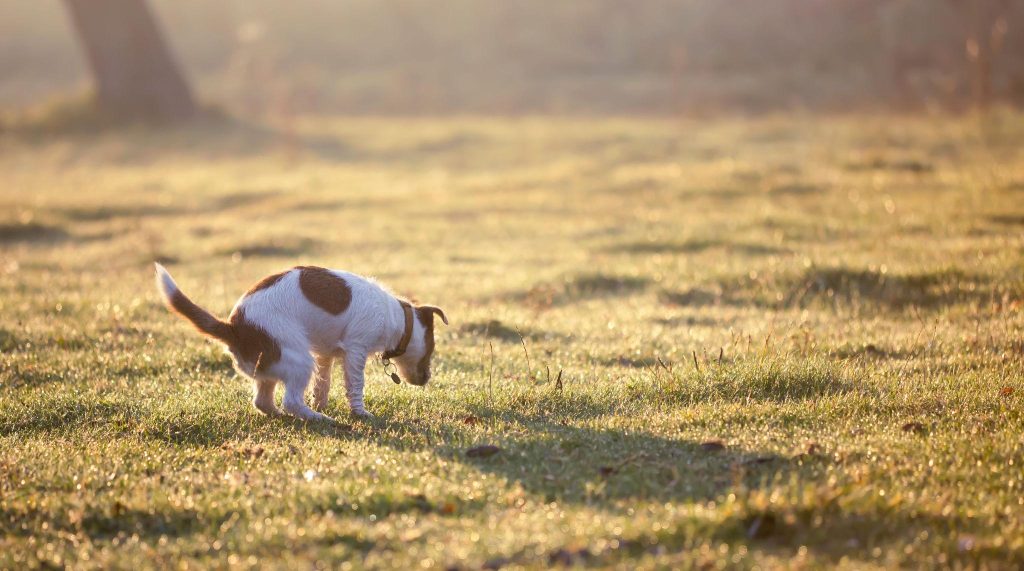
How Pet Parents Can Fix This
Start by observing the pattern.
Ask yourself:
When does he pee inside?
Is it after food?
When alone?
Near doors?
On furniture?
Small drops or full pee?
Sudden change or long-term habit?
Then follow this routine – Take your dog out after waking up, after meals, after play, before bedtime, and after long naps. Reward immediately when he pees outside. Do not shout if he pees inside. Clean silently and redirect next time. Block access to repeated pee spots until training improves. Use enzymatic cleaner. Consult a vet if the issue is sudden or frequent.
Final Thought
Indoor peeing is not a “bad dog” problem — it is a communication problem. Your dog is trying to tell you something through behavior. Once you understand the reason, you can correct it with patience, routine, medical care if needed, and positive training.
At The Dogfather – A Pet Hostel, we believe every behavior has a story. The goal is not to punish the dog — the goal is to understand what they need.
Pukhraj Dhatt
Founder, The Dogfather-A Pet Hostel